Whatsapp / Wechat / TEL: +86-18757706424


What is the difference between bolts and screws
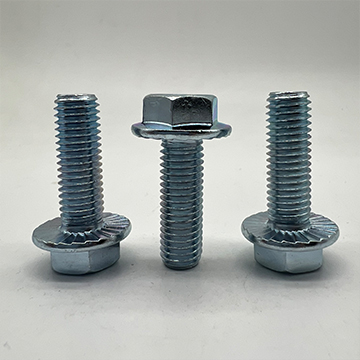
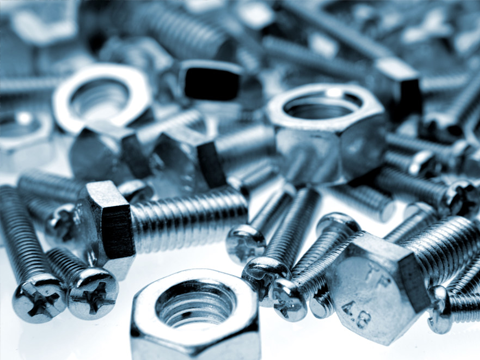
Bolt: Composed of a head and a screw, the head is usually hexagonal and the screw has external threads. Bolts need to be used in conjunction with nuts to connect two parts with through holes. This type of connection is called bolt connection and belongs to detachable connection.
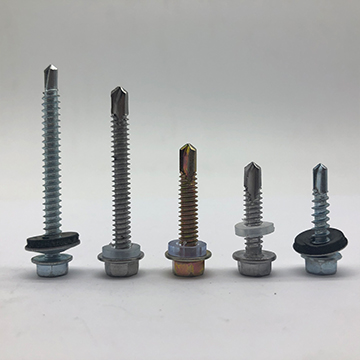
Screw: A general term for threaded fasteners, including screws, bolts, etc. The term 'screw' is more commonly used to refer to fasteners with external threads. Screws do not require nuts to fit and can be directly matched with two objects, usually requiring drilling and threading first.
Purpose and usage scenarios
Bolt: mainly used in situations where detachable connections are required, such as structural support and safety assurance in mechanical manufacturing. Bolt connections do not require high precision, are easy to disassemble, suitable for various connection materials, and can withstand lateral loads.
Screw: Usually used in situations where nuts are not required, such as common toys, watches, electronic products, etc. in households. Screws can be directly screwed into workpieces, with a compact structure, but cannot be disassembled frequently or withstand too much force. They are mostly used in blind holes and are rarely disassembled by the connected parts.
Historical background and industry applications
Bolts and screws play important roles in industrial manufacturing. Bolts are commonly used to connect and fix structures, ensuring the stability and reliability of assembly; And screws, due to their small and flexible size, are suitable for fastening various small devices and household items.
- Previous How to Avoid Thread Stripping
- Next Classification of screw grades